
514 Pantigo Road
East Hampton
hamptonm
Pool & Grilling Guidelines
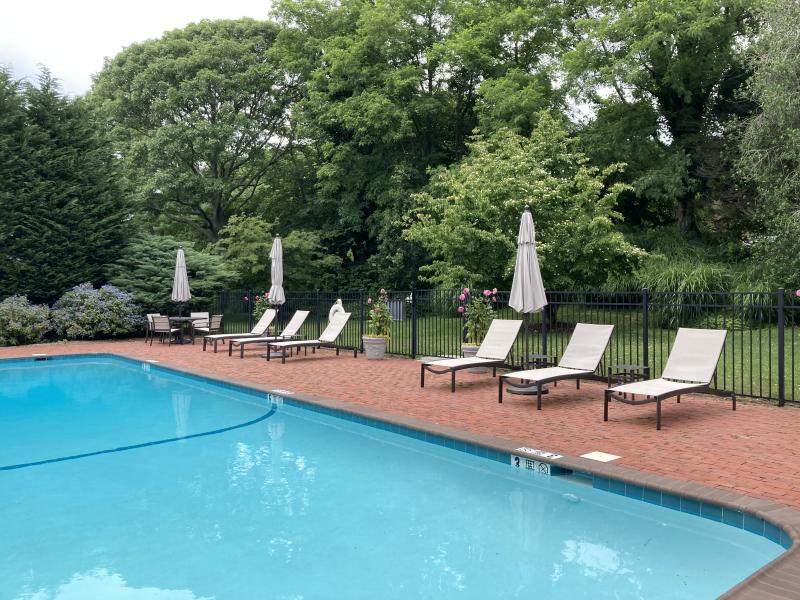
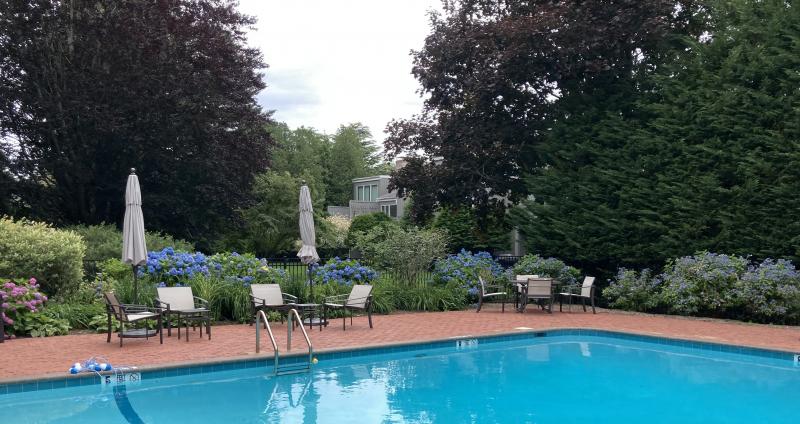
EAST HAMPTON MEWS POOL: WELCOME
PLEASE: FOR YOUR SAFETY AND COMFORT, PLEASE FOLLOW THESE RULES:
The pool is open during daylight hours.
There is no lifeguard on duty;
you swim at your own risk.
Do not swim unless another adult is present.
Children under 3 years of age are not permitted in the pool.
All children must be accompanied by an adult.
In the interest of safety, the use of floats is restricted to small aids such as noOdles, small inflated wings, and small floats that Are attached around the body.
DIVING and RUNNING are NOT permitted within the pool area.
GLASS CONTAINERS, PETS and RADIOS are NOT permitted.
Food/DRINKS IN PLASTIC CONTAINERS are ALLOWED.
Please take ALL TRASH WITH YOU WHEN YOU LEAVE.
DO NOT TAKE LONG CELL PHONE CALLS inside the pool AREA. Please Try to keep voices down in consideration of the readers, snoozers and those who are just there for sun and cool breezes.
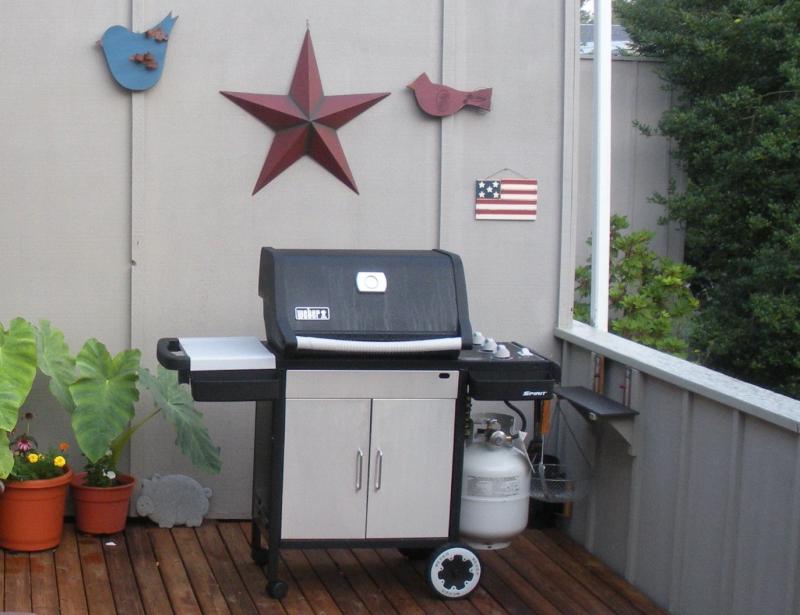
Grilling
A typical liquid propane cylinder holds about 20 pounds of propane with extra room that allows the liquid to expand. Do not overfill the cylinder and do not store it indoors. Should you wish to store your gas grill indoors or under the second floor deck, disconnect the tank and leave it outdoors in a safe place. The tank should be stored outdoors, upright in an area with 120 degrees or less in temperature.
You should make it a point to check for gas leaks before and after grilling every time you disconnect and reconnect the regulator to the cylinder. Look for any alarming signs in your cylinder like dents, gouges, bulges, leakage or corrosion and have it checked by a supplier. Do not use anything in doubtful condition.
Grills should be placed at a distance of five feet away from building walls, fences, trees and anything else that has propensity for burning. The location should be well ventilated,and not under the second floor deck. The person in charge of grilling should not be easily distracted from his/her duties, possessing a clear head when faced with unexpected emergencies.
Be prepared for any fire incident. Fire from gas grills should not be put out by water, as water can cause grease flares to literally explode. Make sure you know how to use the fire extinguisher since there will be no time to read the instruction when the time comes. Often the fastest way to put out flare-ups in gas grills is to quickly turn off all burners and shut lid.
When lighting a gas grill, remember the 10 to 5 rule. If the grill fails to start within 10 seconds, turn off the gas and leave the lid open. Try again after 5 minutes.
Once you are done grilling, make sure that the fire is out. Turn off all control valves plus the tank valve. Any burning grease should be put out and the grill completely cooled before it is covered. Lastly, let common sense guide your actions.